Combating the African Swine Fever (ASF) threat: The critical role of proven disinfection in biosecurity
Author: Arxada Professional Hygiene Team
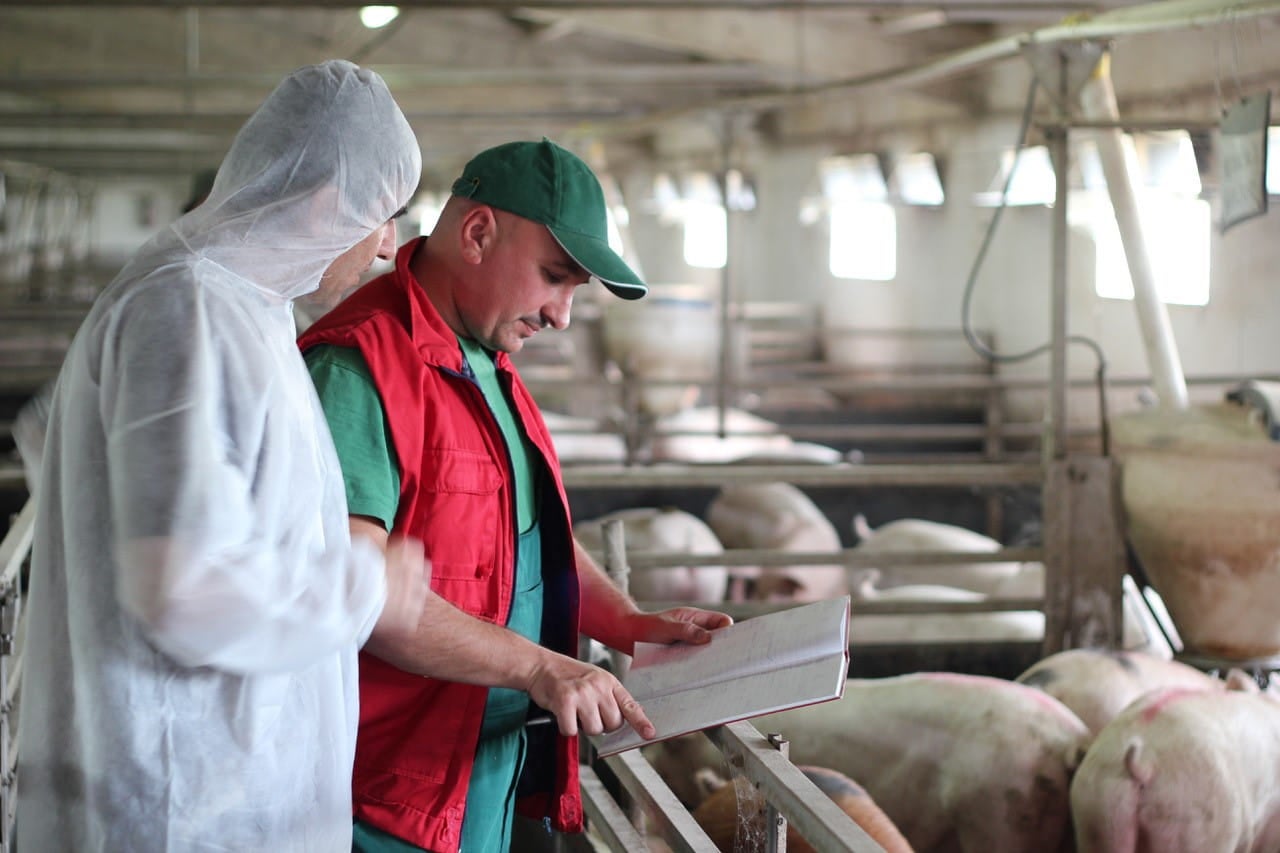
African Swine Fever (ASF) remains a primary threat to the global swine industry. It is a highly contagious viral disease caused by the African Swine Fever Virus (ASFV), infecting domesticated pigs and wild boars. It has been described by World Organization for Animal Health (WOAH) as a “major crisis for the pork industry in recent years”[i] .
1. The pathogen: environmental stability and economic impact
The ASFV is characterized by exceptional environmental stability. It maintains infectivity in blood, feces, and tissues - particularly in raw or undercooked pork products - for three to six months, especially at low temperatures [ii] .
The scale of the disease is immense. Since January 2022, more than 781,000 cases in pigs and more than 27,400 cases in wild boars have been reported, with more than 1,875,000 animal losses in domestic pigs. [iii]
As ASF is classified as a Category A disease under the Animal Health Law, its presence triggers immediate and mandatory national intervention measures, including strict movement restrictions, compulsory culling of infected animals and rigorous trade limitations to prevent a wider biosecurity crisis.
While ASF has no direct impact on human health, consumers are affected by fluctuations in the prices of meat products.
This has a tremendous impact on the production economy on a global scale.
2. Comprehensive response: general sanitary measures
To effectively manage an ASF outbreak and prevent further spread, the industry uses a multi-layered defensive strategy which includes strict farm biosecurity with thorough cleansing and disinfection as a critical pillar.
3. The biosecurity pillar: the two-fold disinfection process
Effective biosecurity operates on the principle of prevention, where chemical disinfection plays a targeted, vital role. The process must always be two-fold:
Step 1: The removal of organic matter (manure, feed remnants) is essential, as organic load can neutralize chemical agents, lowering their efficacy.
Step 2: After thorough cleaning, the selection of a high-efficacy virucidal product is critical. It is advised to choose formulations that have been tested according to the relevant EN standards, with performance validated under "dirty" conditions.
Users must be strictly reminded of the need to adhere to the recommended product dilution at the point of use and the specified contact time on the disinfected surface.
Furthermore, operational limitations - such as adverse weather conditions like frost - must be factored into the protocol, as they can significantly impact the final disinfection outcome and biosecurity integrity.
4. Implementation: caution regarding efficacy standards and recommendations
To ensure that disinfection protocols are effective, every step must be precise. When choosing active substances for your formulations, pay attention to:
Virucidal selection: Choose actives with proven efficacy against ASFV or a validated viral surrogate.
Testing conditions: Confirm efficacy was tested under proper EN standards conducted in "dirty" conditions (high protein/organic load).
Dilution and contact time: Whether concentrated or ready-to-use, products must be applied at the correct dilution and left wet for the full contact time to ensure viral inactivation.
By choosing Arxada’s active substances, brand owners can confidently back their label claims, ensuring long-term trust with end-users in the agricultural and professional hygiene sectors.
Conclusion: Partnership for protection
The fight against ASF requires collective, informed action. Relying on products that contain scientifically proven, high-quality active substances is the cornerstone of responsible biosecurity.
At Arxada, our mission is to deliver solutions that help to control harmful microbes, disrupt transmission chains and protect our world through validated disinfection solutions.
Beyond being an experienced global supplier of DDAC and ADBAC - the essential building blocks for the industry’s most trusted disinfectants - Arxada offers specialized formulations with confirmed efficacy against ASF.
Leveraging our technical expertise allows our commercial partners to significantly fortify their disinfection solutions and ensure market compliance.
To discuss our offerings, please contact the Arxada Professional Hygiene team today at hygiene@arxada.com.
[i] WOAH Disease Card: https://www.woah.org/en/disease/african-swine-fever/
[ii] General Veterinary Inspection: https://www.wetgiw.gov.pl/nadzor-weterynaryjny/o-chorobie
[iii] https://www.woah.org/app/uploads/2025/01/asf-report-60.pdf
Get in touch
For more information or to stay up-to-date with our news, please contact us or sign up to our e-Newsletter.